
These AI applications promise to transform many fields, from media and healthcare to everyday life. With the rapid development of AI, regulatory bodies worldwide, including the European Parliament, have begun to introduce regulations on AI to ensure the technology is used safely and responsibly.
Published: August 16, 2024
In July 2024, OpenAI launched Sora, a tool for creating videos from text, along with new AI tools from Runway and Luma AI’s Dream Machine to generate diverse and innovative content. Viz.ai is developing AI to analyze medical records and predict stroke prognoses, and LG introduced a smart home robot with emotional intelligence. These AI applications promise to transform many fields, from media and healthcare to everyday life.
AI in Content Creation and Media
Sora and AI Video Creation Tools: OpenAI recently launched Sora, a tool for creating videos from text, notable for its ability to create a one-minute film about Charles Lazarus, the founder of Toys “R” Us. This is a major step forward in applying AI to the media and entertainment industry, allowing for faster and easier content creation than ever before. Runway, a company specializing in AI special effects, also recently announced a text-to-video creation model, creating a buzz with its high-quality filmmaking capabilities.
AI Applications in the Entertainment Industry: Platforms like Luma AI’s Dream Machine have launched, allowing the transformation of meme images into videos, opening up new opportunities in creating and sharing digital content. Meta is also joining the game by introducing an open-source LLM model, enhancing the content creation capabilities of users and businesses.
AI in Healthcare and Security
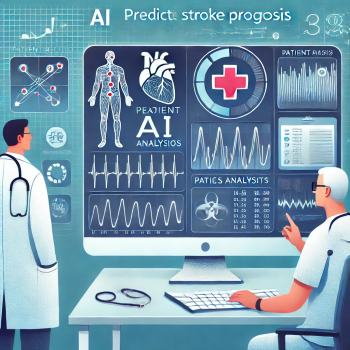
AI applications in healthcare: Viz.ai has developed technology to analyze medical records to predict the prognosis for stroke patients, helping medical teams respond more quickly and accurately in emergency situations. Abnormal Security also uses AI to analyze email platforms, predict and prevent virus attacks, and protect the cybersecurity of businesses.
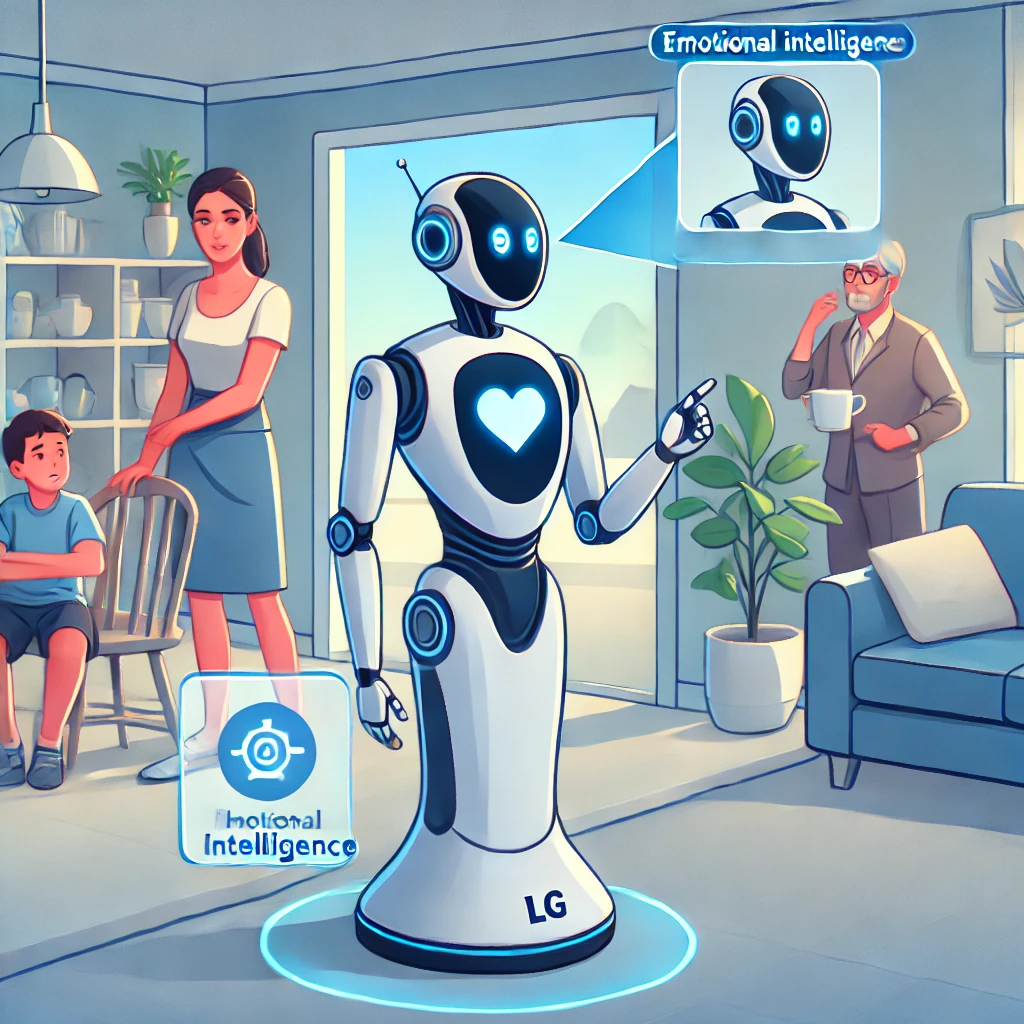
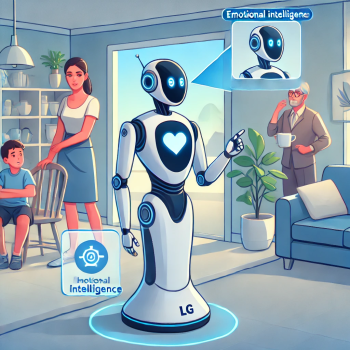
LG’s AI housekeeper robot: LG has just introduced a housekeeper robot with emotional intelligence, capable of providing complex care and communication with users. This product not only performs daily tasks but can also call for emergency assistance when needed, bringing peace of mind to families.
AI and the Change in Workplace
Replacing Skilled Workers: According to experts, AI will begin replacing highly skilled jobs from 2024. This technology will not only replace unskilled labor but also has the potential to improve the efficiency and professional skills of workers. The International Monetary Fund (IMF) forecasts that AI will impact 60% of jobs in developed economies, with 50% of those impacts being negative, particularly affecting older workers.
Regulation and Compliance: With the rapid development of AI, regulatory bodies worldwide, including the European Parliament, have begun to introduce regulations on AI to ensure that this technology is used safely and responsibly.
Message
2024 is a year full of both promise and challenges for AI technology. New advances in this field not only open up great opportunities but also raise many regulatory and ethical issues that need addressing. Monitoring and staying updated on the latest developments will help us understand and apply AI technology effectively and sustainably.
Võ Thị Hồng Thắm – BM. Khoa học máy tính